

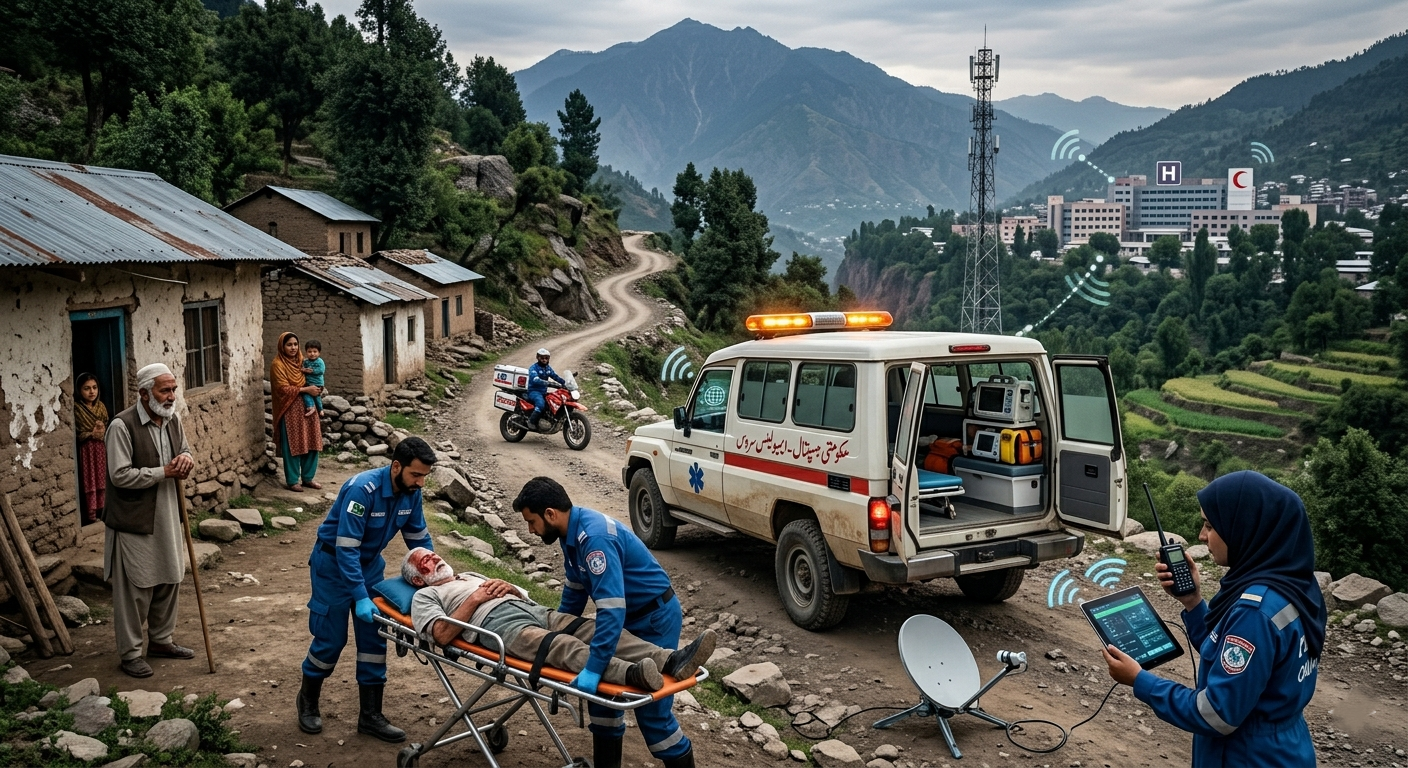
In medical emergencies, every second matters. Quick access to healthcare can mean the difference between life and death, especially in rural areas where hospitals and medical facilities are often far away. Unfortunately, many villages lack reliable transportation for emergencies, making ambulance services one of the most important healthcare needs for rural communities.
In villages, patients facing accidents, heart attacks, pregnancy complications, or sudden illnesses often experience dangerous delays in reaching hospitals. Poor road conditions, lack of transport, and limited medical resources increase the risks during emergencies. For many families, arranging private transportation in critical situations can be both difficult and expensive.
Ambulance services provide immediate and reliable transportation for patients who require urgent medical attention. They help ensure that patients reach hospitals safely and on time, reducing complications and improving chances of recovery. In many cases, a timely ambulance response can save lives by preventing delays in treatment.
Beyond emergency care, ambulance services also support communities during disasters, health camps, and patient transfers between medical facilities. They provide reassurance to families, knowing that help is available during critical situations. Access to emergency transport is especially important for children, elderly individuals, and pregnant women who may require urgent medical care.
At Alflah Welfare Trust, healthcare and emergency support are essential parts of our mission. Through our Ambulance Service Project in Daiwal Village, we aim to improve emergency healthcare access and provide timely transportation for patients in need. This initiative helps reduce the burden on rural families and ensures that medical assistance is available when it matters most.
Ambulance services are more than vehicles — they are lifelines for communities. By strengthening emergency healthcare support in villages, we can help save lives, improve health outcomes, and build safer and healthier communities for everyone.

Leave A Comment